
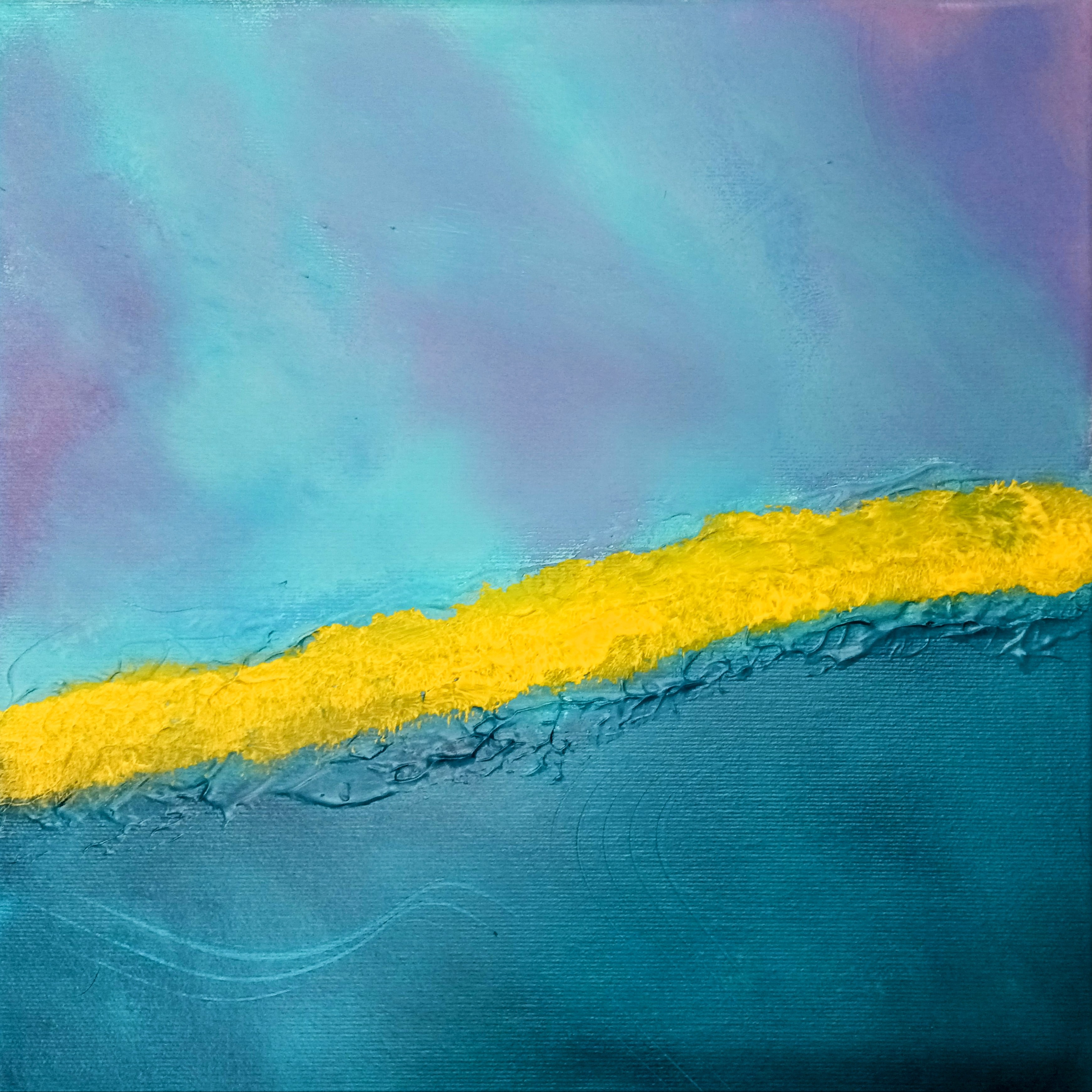
Transforming Landscapes and Oceans into Abstract Art: A Guide with Textured Paste and Acrylic Techniques
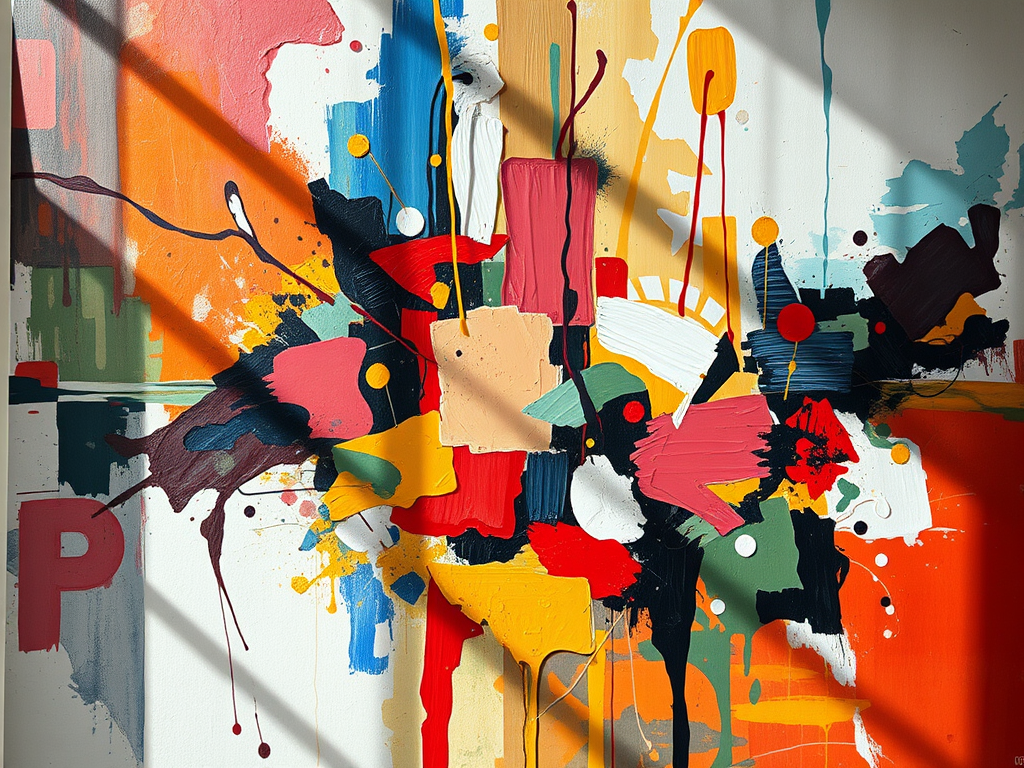
Abstract art gives you the freedom to express nature in a way that goes beyond mere representation. By using textured paste and acrylic techniques, you can capture the vastness of landscapes and the mystery of oceans through bold, dynamic, and creative approaches. In this guide, I’ll share how to use these tools to enhance your abstract landscape and ocean art, making your pieces stand out with depth, texture, and vibrant color.
1. Find Inspiration in Nature’s Forms
Abstract art doesn’t require you to stick to realistic interpretations of landscapes or oceans. Instead, focus on the essence of the natural world—the feeling of the sea’s expanse, the curves of a mountain range, or the colors of a sunset. Let these elements guide your creativity.
For example:
- Oceans evoke feelings of both tranquility and power, with their dynamic waves and shimmering surfaces. The blues, greens, and reflective tones of water can be pushed and exaggerated in abstract form.
- Landscapes offer a wealth of textures, from rugged mountains to soft rolling hills. The interplay of light, shadow, and earth tones provide inspiration for bold, expressive color choices in your art.
2. Use Textured Paste to Create Dimension
One of the best ways to add depth to your abstract landscapes and ocean paintings is by incorporating textured paste. This medium helps you break free from the flat surface of a canvas, giving your art a physical presence that draws the viewer in.
- For ocean-inspired art, use textured paste to mimic the movement of waves or the rugged texture of a rocky coastline. Apply it generously with a palette knife to create raised areas that reflect light in different ways, adding dynamic movement to your painting.
- For landscapes, textured paste can be used to create the roughness of rocky cliffs or the soft texture of tree bark. The added dimension gives your artwork a tactile quality, inviting viewers to visually explore the texture.
3. Choose a Vibrant, Expressive Color Palette
When it comes to acrylic painting techniques, color is your best friend. Abstract art lets you break away from the traditional, allowing you to use color to convey emotions rather than just mimicking what you see.
- For abstract ocean paintings, play with a range of blues, from deep navy to turquoise, and add in whites, metallics, or greens to represent the reflection of light on the water. Don’t shy away from bright or unexpected colors—this is abstract art, after all! Feel free to include reds, oranges, or purples if that’s what the scene evokes for you.
- In landscape paintings, use earthy tones like greens and browns, but experiment with more vibrant colors to represent sunsets, changing seasons, or even mood. The goal is to evoke the feeling of a place, not simply recreate it.
4. Blend and Layer for Depth and Contrast
Creating depth and dimension in your art doesn’t stop with textured paste. Layering your acrylic paints is essential for making your abstract landscape and ocean art feel immersive.
- Start with a base layer of soft washes to set the foundation for your landscape or ocean scene. This can be the general tone—such as deep blue for an ocean piece or earthy green for a landscape.
- Add layers of paint over your textured paste, playing with transparency and opacity. As you layer, allow some of the background colors to peek through, creating a sense of depth and complexity.
For oceans, use fluid brush strokes to suggest the movement of waves. For landscapes, focus on creating contrast between different elements, such as rough mountains against smooth skies.
5. Embrace Movement in Your Composition
When working with abstract art, especially inspired by oceans and landscapes, movement plays a key role in keeping the piece alive. This is where your brushstrokes and use of textured paste come into play.
- Ocean-inspired art benefits from broad, sweeping strokes to mimic the flow and rhythm of the water. Use your palette knife to create sharp, jagged lines for crashing waves or smooth arcs to depict gentle, rolling seas.
- Landscape-inspired art can use more rigid, structured strokes to represent mountains or trees, while softer, flowing lines work well for skies or hills.
6. Finishing Touches and Titles
As with any great work of art, the final step is bringing it all together with some finishing touches. Use a fine brush or even your fingers to add highlights or shadows to your textured areas, accentuating the depth and movement of the piece.
Finally, when titling your work, let the mood and theme of your painting guide you. Abstract art allows you to use creative and interpretive titles, giving viewers a hint of your inspiration while leaving room for their own interpretation.
By embracing these acrylic painting techniques and experimenting with textured paste, you’ll bring a fresh and dynamic approach to your abstract art. Whether you’re focusing on the natural beauty of landscapes or the endless mystery of the ocean, these tools and ideas will help you create stunning, layered pieces that captivate and inspire.ng of the landscape.” Because if you can’t explain it, make it mysterious. Happy painting!

Leave a Reply