
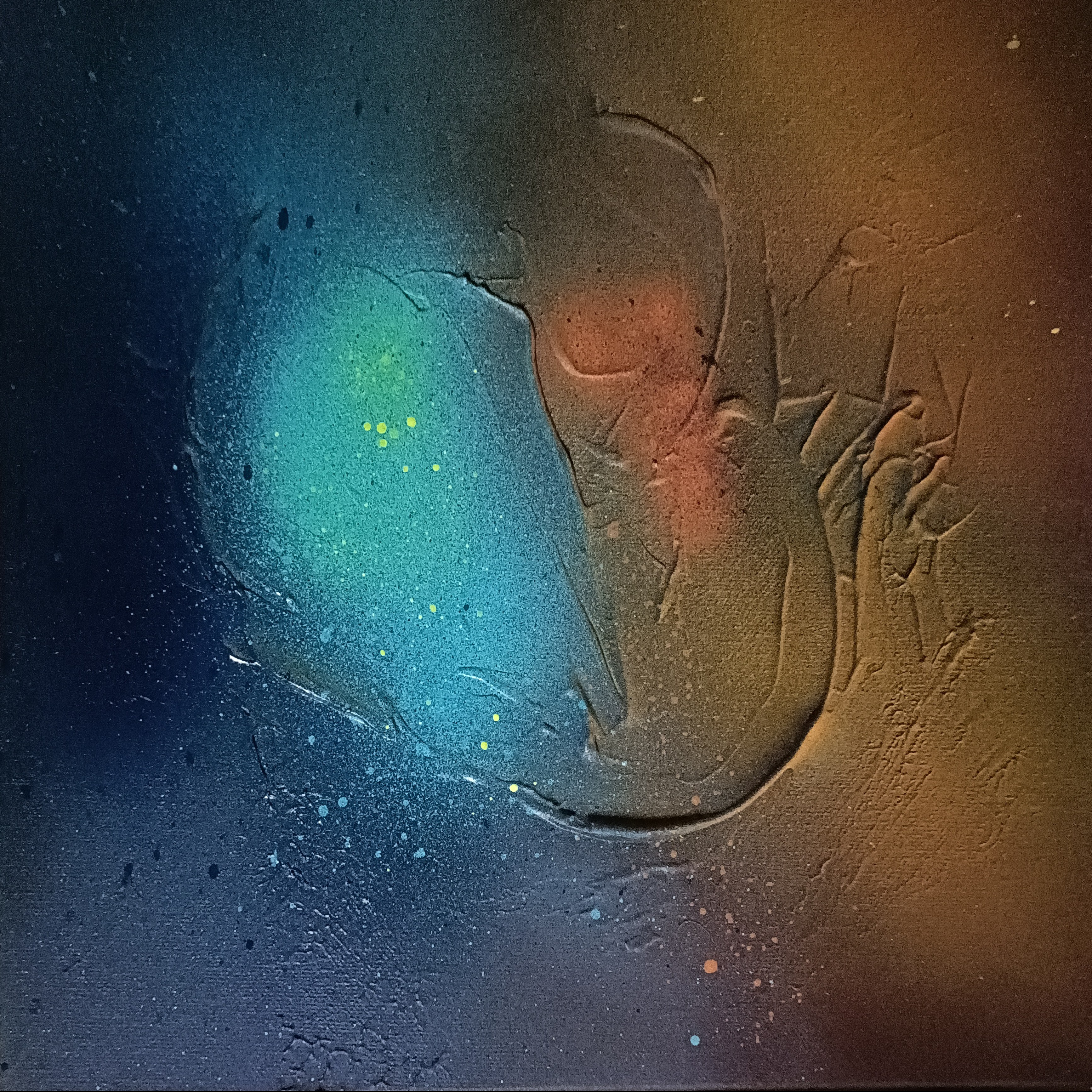

Exploring the Beauty of Textured Paste in Abstract Art
One of my favorite tools to bring abstract art to life is textured paste. This versatile medium, often referred to as molding or modeling paste, adds incredible depth and dimension to any artwork, especially in acrylic paintings. By incorporating texture, I’m able to transform a two-dimensional canvas into a multi-sensory experience that draws viewers into the art on a deeper level. In this post, I’ll explore the benefits of using textured paste, how I apply it to my abstract paintings, and offer tips for artists who are new to this technique.
Why Use Textured Paste in Abstract Art?
Textured paste is a thick medium that can be applied to a canvas to create a raised surface, perfect for adding a tactile element to your abstract art. Here’s why it’s a game-changer:
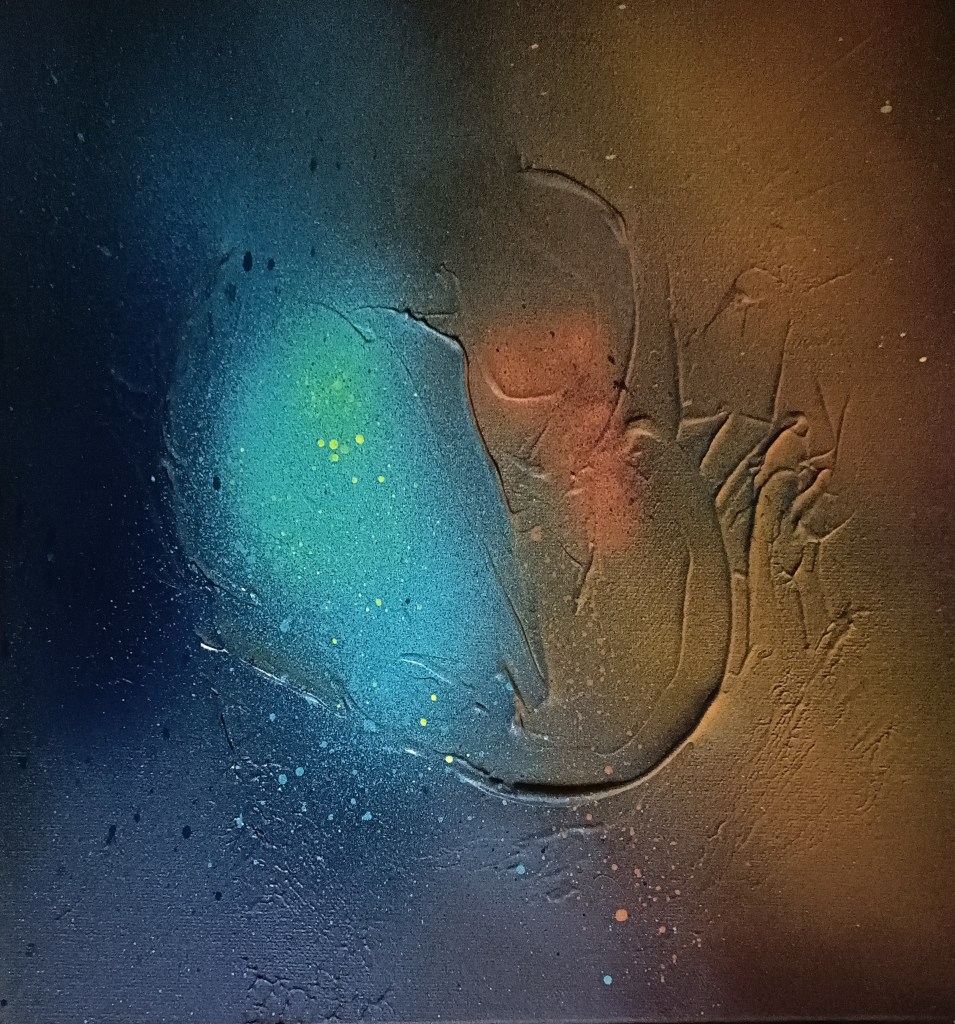
- Adds Dimension: Abstract art often plays with form and movement, and textured paste enhances this by creating three-dimensional elements. Raised textures add interest, drawing the eye to certain areas and creating a sense of movement.
- Engages the Senses: While art is primarily a visual experience, the added texture allows viewers to engage imaginatively with the tactile aspects of the painting. Even without touching, the eye picks up the subtle contrasts between smooth and textured areas, creating a deeper emotional response.
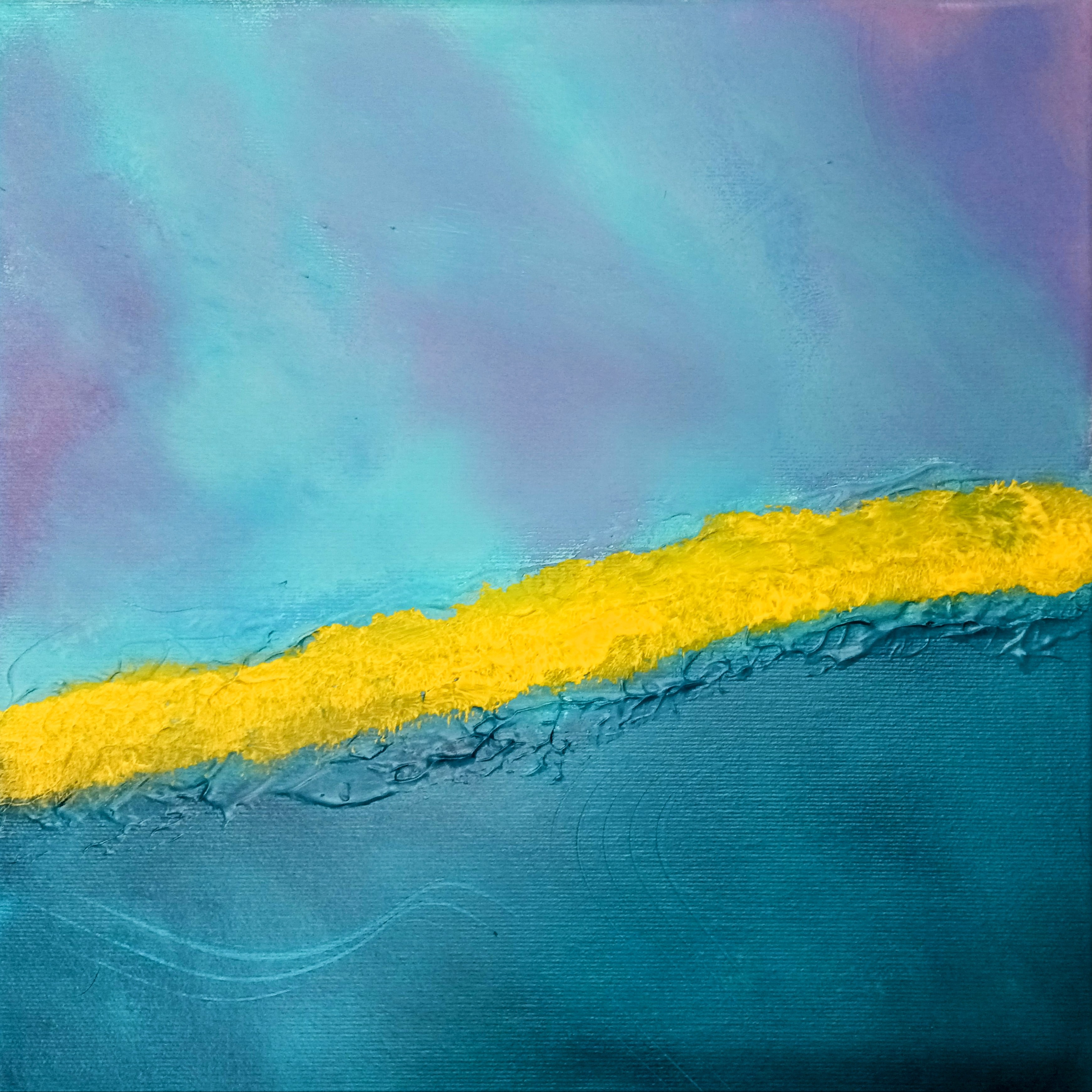
- Dynamic Layers: In my work, I use textured paste to build up layers, allowing acrylic paints to interact with the surface in unique ways. The textures catch light differently, which can change the appearance of the painting throughout the day.
- Customization: You can easily manipulate textured paste to create various textures and patterns. Whether using palette knives, brushes, or even unconventional tools, textured paste provides flexibility to experiment with raised surfaces in your artwork.
How I Incorporate Textured Paste Into My Acrylic Paintings
Using textured paste in my abstract acrylic paintings begins early in the process. Here’s how I do it:
- Preparing the Canvas: I typically start with a clean, primed canvas. Before applying any paint, I use a palette knife to spread textured paste across the canvas, creating the foundation for my design. Whether I’m aiming for bold strokes or delicate ridges, the texture serves as the framework for the piece.
- Creating the Texture: The tools I use, such as palette knives and sponges, allow me to create a range of textures, from smooth waves to jagged lines. I love exploring the effects that different tools can have on the paste, sometimes even using household items to leave unexpected marks.
- Painting Over the Texture: Once the paste dries, I begin applying acrylic paint. The paint behaves differently depending on how it’s applied to the textured surface—sinking into crevices or staying on the raised areas, creating dynamic contrasts. This layered technique enhances the depth and dimension of the painting.
- Highlighting the Texture: To accentuate certain areas, I often layer more paste or add specific colors that catch the light, bringing focus to the texture. For example, I might use metallic paint to highlight raised sections, adding even more visual interest to the piece.
Tips for Using Textured Paste in Your Abstract Art
If you’re new to working with textured paste in your abstract acrylic paintings, here are a few tips to get you started:
- Start Small: Begin by experimenting with small amounts of paste on smaller canvases. This will help you get a feel for how the medium behaves before committing to larger projects.
- Choose the Right Tools: Different tools create different effects. Palette knives give you control over bold strokes, while sponges or even textured fabrics can create more intricate, organic patterns.
- Patience is Key: Allow each layer of paste to dry completely before adding paint. Drying times can vary depending on the thickness of the paste, so be sure not to rush this step.
- Mix Colors: For an even more integrated look, try mixing acrylic paint directly into the textured paste before applying it to the canvas. This can result in beautiful color variations within the texture itself.
- Seal Your Work: Once your piece is finished, consider applying a sealant to protect both the paint and the textured surface. This ensures that your artwork remains intact and vibrant over time.
Conclusion
Textured paste is an incredible tool for adding dimension, depth, and a sense of movement to abstract art. It allows artists to break free from the flatness of the canvas and explore new ways to connect with viewers. Whether you’re a seasoned artist or just starting, experimenting with textured paste can bring fresh energy and life to your acrylic paintings. If you’re curious about how texture can transform your artwork, I encourage you to give it a try—it opens up endless possibilities for creative exploration.
By incorporating this versatile medium, you can elevate your abstract acrylic paintings to new heights, making each piece not only a visual delight but a dynamic experience for anyone who encounters it.ork, I encourage you to give it a try. Don’t be afraid to experiment with different techniques and tools—the beauty of abstract art lies in its freedom and the surprises it brings along the way

Leave a Reply